Skip to content

Know your fabric

Seven core knitwear fabrics, explained

Material is the first decision in any programme and the one that most affects hand feel, durability, printability and cost. The seven core knit fabrics are covered in depth below, followed by the wider material map across knits and wovens.
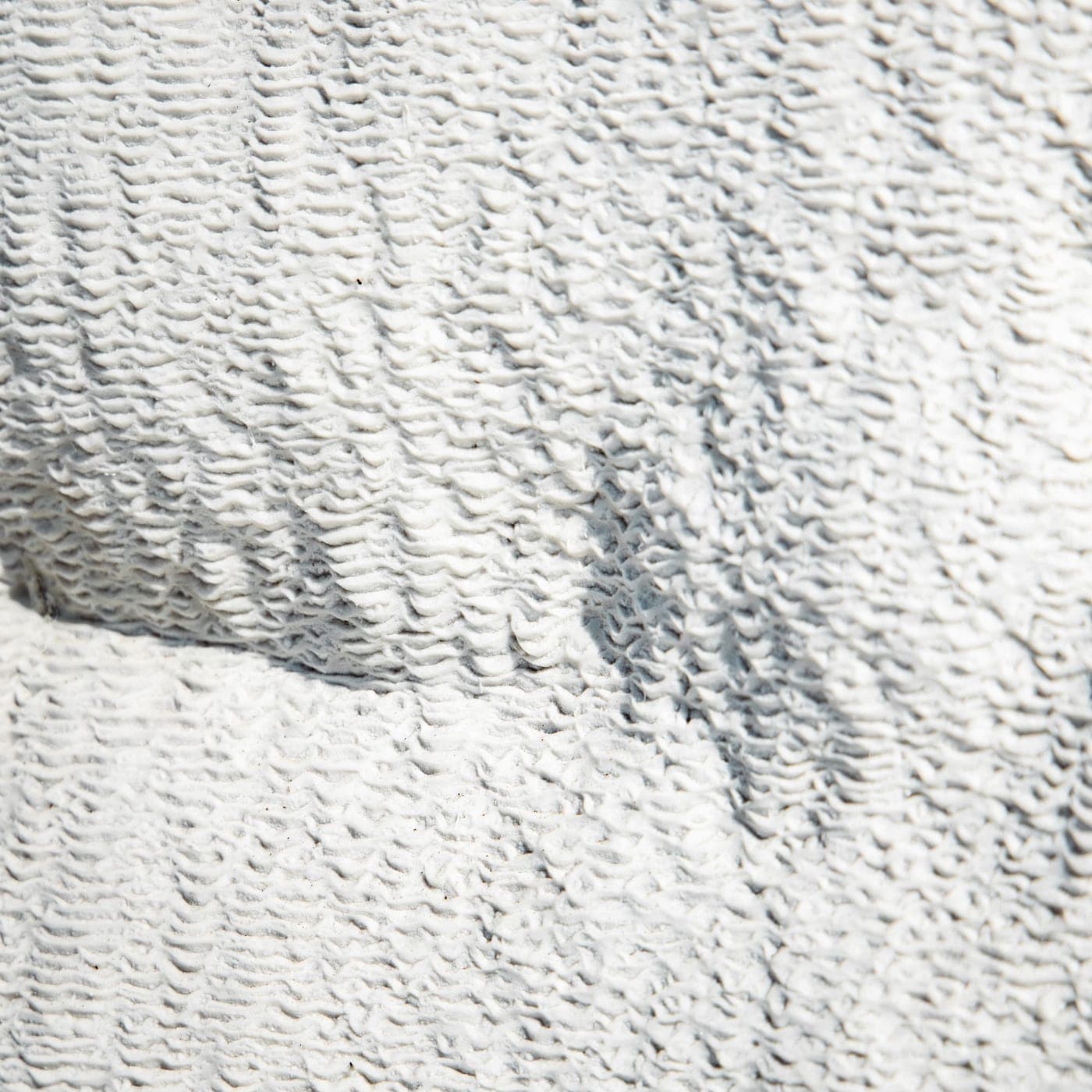
Close-up of white cotton knitted fabric showing the natural matte surface and loop structure

100% Cotton

Natural hand feel and breathability for premium basics and buyer-specified knitwear.

What it is

A knitted fabric made entirely from cotton yarn, with no synthetic blend. It is the reference point most buyers judge other knitwear fabrics against, and it remains the standard choice for programmes where natural fibre content is part of the brand story.

How it feels

Soft, dry and breathable against the skin, with a natural, slightly matte surface rather than a synthetic sheen. The hand feel changes noticeably with yarn quality and finishing, which is why sampling matters on cotton programmes.

Key benefits

  • Natural fibre content, often a labelling and marketing requirement
  • Breathable and comfortable in warm climates
  • Takes print and embroidery predictably
  • Familiar hand feel that buyers and end customers recognise
  • Suits premium positioning at retail

Keep in mind

  • Cotton is more prone to shrinkage than blended fabrics; finishing and washing instructions matter
  • Generally carries a higher raw material cost than a cotton-rich blend
  • Creases more readily than a polyester blend
  • Colour depth and consistency depend on yarn quality and the dyeing process

Weight / GSM

Multiple GSM options available, from lightweight jersey for tees through to heavier constructions for premium pieces. We confirm weight against your tech pack at sampling.

Printing & embroidery

Cotton is a well-behaved base for screen printing, DTG and embroidery. DTG in particular performs best on cotton, and print hand feel can be controlled through ink and mesh selection.

Best product applications

Premium basics, T-shirts, polos and buyer-specified knitwear where natural fibre content and hand feel lead the decision.
Ask us to recommend a fabric for your tech pack
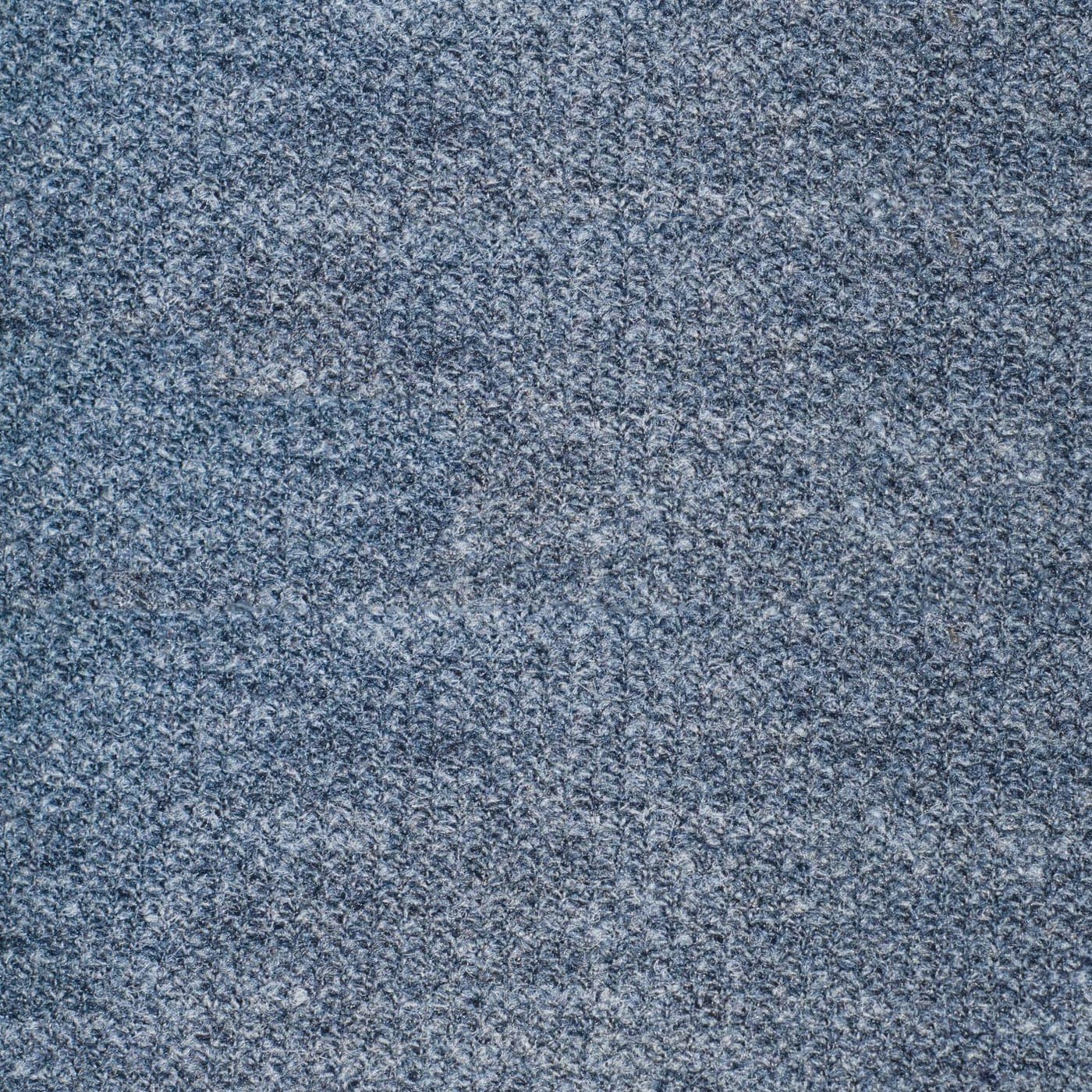
Close-up of blue-grey heather knit fabric, characteristic of a cotton-rich CVC blend

CVC

Cotton-rich blend balancing comfort, durability and cost for repeat programmes.

What it is

CVC stands for Chief Value Cotton - a blend in which cotton is the dominant fibre, combined with polyester. It is the practical middle ground between the hand feel of pure cotton and the durability and price stability of a polyester blend.

How it feels

Close to cotton in hand feel, with slightly more surface smoothness and better recovery. Most end customers will not distinguish it from cotton by touch, which is what makes it useful for value-focused programmes.

Key benefits

  • Cotton-led hand feel at a more controlled cost
  • Better dimensional stability than 100% cotton
  • Reduced shrinkage and improved wash durability
  • Holds shape well across repeat wash cycles
  • Strong fit for repeat and uniform programmes

Keep in mind

  • The exact blend ratio changes hand feel, cost and dye behaviour - confirm it in your specification
  • Cotton and polyester take dye differently, so shade approval matters
  • Not suitable where a programme requires 100% natural fibre labelling

Weight / GSM

Multiple GSM options available across jersey, piqué and terry constructions. Weight is confirmed at sampling.

Printing & embroidery

Takes screen printing well. For DTG, the cotton content in the blend determines results, so higher cotton ratios perform better. Embroidery is stable on CVC.

Best product applications

Value-focused tees, uniform programmes and repeat production where cost stability and durability matter as much as hand feel.

Ask us to recommend a fabric for your tech pack
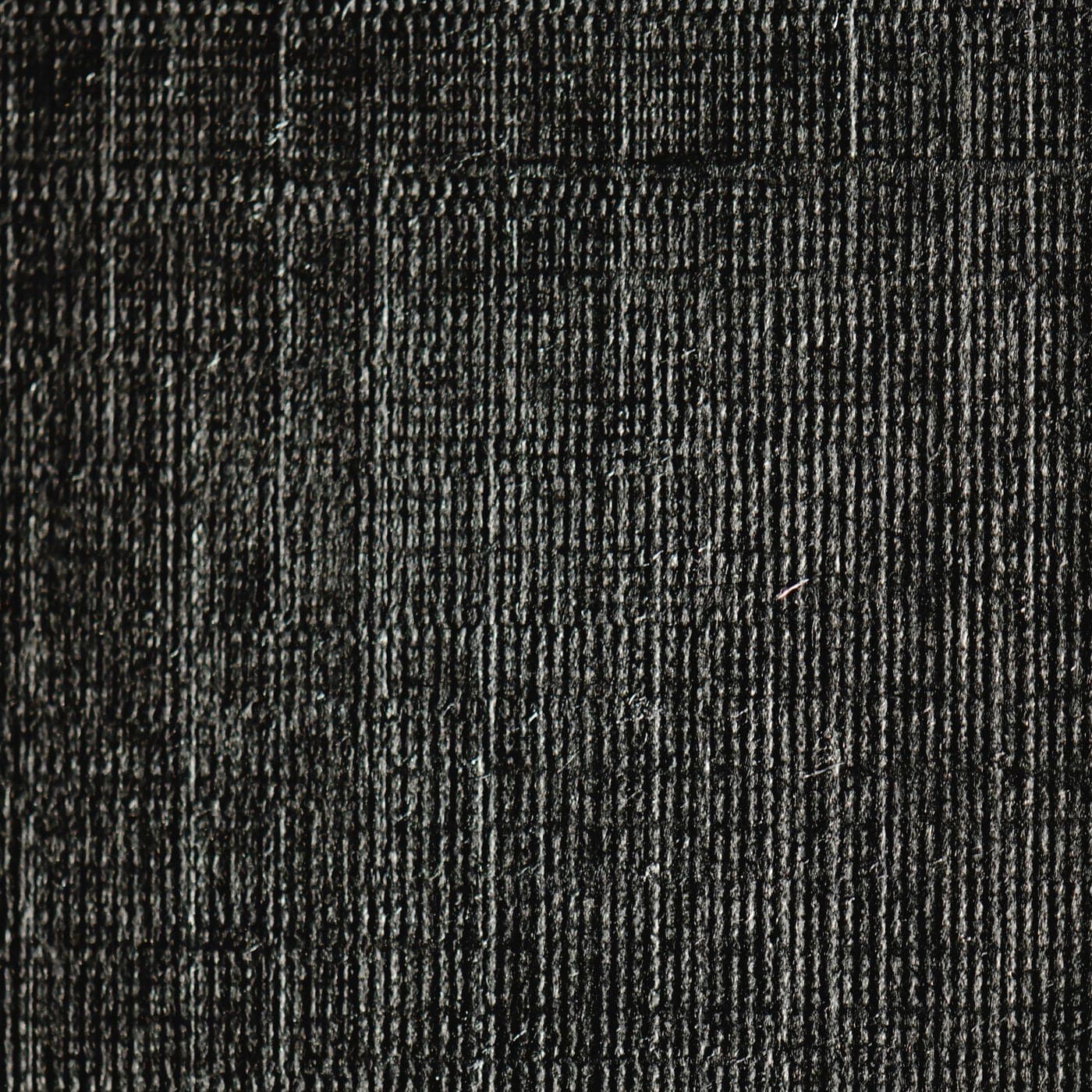
Close-up of charcoal cotton polyester blended fabric showing a fine, even surface

Cotton / Polyester

Blended knit built for durability, quick drying and price-performance balance.

What it is

A knitted blend of cotton and polyester in which polyester carries a larger share than in CVC. The exact ratio - 65/35, 50/50 and other combinations - is a specification decision that changes the character of the finished garment.

How it feels

Smoother and lighter than pure cotton, with more surface sheen and noticeably better recovery. It feels more technical and less natural, which suits performance-led and value-led programmes.

Key benefits

  • Strong durability and abrasion resistance
  • Dries faster than cotton-dominant fabrics
  • Low shrinkage and good dimensional stability
  • Holds colour well over repeated washing
  • Typically the most cost-efficient option in the range

Keep in mind

  • Less breathable than cotton-dominant fabrics in hot conditions
  • Hand feel is more synthetic - confirm it at sampling if your brand positions on natural feel
  • DTG printing performs less predictably as polyester content rises
  • Blend ratio must be stated in your specification, as it changes everything downstream

Weight / GSM

Multiple GSM options available. Weight and blend ratio are confirmed together, as they interact.

Printing & embroidery

Screen printing is the reliable route on higher-polyester blends, with appropriate ink selection to manage dye migration. Embroidery is stable. DTG is best assessed at sampling.

Best product applications

Everyday basics, uniform and workwear programmes, and performance or value-led ranges where durability and price lead the decision.

Ask us to recommend a fabric for your tech pack
Soft cream knitted garments folded to show the smooth, lightweight jersey face

Single Jersey

Lightweight knit structure with a smooth face - the standard T-shirt construction.

What it is

Single jersey is a knit structure rather than a fibre. It has a smooth face and a looped back, and it is the most widely used construction in T-shirt manufacturing. It can be knitted from cotton, CVC or a cotton-polyester blend.

How it feels

Light, fluid and comfortable, with natural stretch and good drape. Because it is a single-layer construction, it reads as lighter and cooler than terry or fleece.

Key benefits

  • Lightweight and breathable, ideal for warm climates
  • Natural stretch and comfortable movement
  • Smooth face gives a clean surface for printing
  • Efficient to produce, supporting competitive costing
  • Drapes well on relaxed and oversized silhouettes

Keep in mind

  • Cut edges can curl during cutting and sewing, so construction discipline matters
  • Lighter weights can show opacity limits, particularly in pale shades
  • Less structured than piqué or terry - not suited to garments needing body

Weight / GSM

Multiple GSM options available. Lighter weights suit summer and layering programmes; heavier single jersey gives a more premium tee.

Printing & embroidery

One of the best surfaces in the range for screen printing and DTG - the smooth face gives clean edges and accurate detail. Embroidery on lighter weights should be backed appropriately.

Best product applications

T-shirts, lightweight layering pieces, summer ranges and lightweight kidswear.

Ask us to recommend a fabric for your tech pack
Close-up of textured piqué knit showing the raised geometric surface structure

Piqué

Textured knit with structure and breathability - the classic polo construction.

What it is

Piqué is a knit structure with a raised, textured surface created by the knitting pattern rather than by finishing. That texture is what gives a polo shirt its recognisable appearance and its body.

How it feels

Firmer and more structured than single jersey, with a visible textured surface and small air pockets that aid airflow. It holds its shape rather than draping.

Key benefits

  • Structured hand feel that holds garment shape
  • Textured surface aids breathability
  • Hides light creasing better than flat jersey
  • The expected construction for smart-casual and uniform polos
  • Durable through repeated wear and washing

Keep in mind

  • The textured surface affects fine print detail - assess artwork at sampling
  • Heavier and less fluid than single jersey
  • Texture scale varies between piqué constructions, so confirm your reference

Weight / GSM

Multiple GSM options available across piqué constructions. Weight is confirmed against your reference or tech pack.

Printing & embroidery

Embroidery is the natural decoration method on piqué and performs excellently. Screen printing is possible, though fine detail should be reviewed against the fabric texture during sampling.

Best product applications

Polo shirts, smart-casual ranges, corporate and hospitality uniforms, and institutional programmes.

Ask us to recommend a fabric for your tech pack
Close-up of cream French terry showing the looped inner face of the knit

French Terry

Smooth outer face with a looped inner face - versatile, breathable warmth.

What it is

French terry has a smooth knitted outer face and an unbrushed looped inner face. Those loops trap a layer of air, giving warmth without the weight or the fully insulated feel of brushed fleece.

How it feels

Soft and substantial on the outside, with a distinctive looped texture inside. Warmer than jersey but noticeably more breathable than fleece, which makes it the more versatile of the two sweat fabrics.

Key benefits

  • Breathable warmth suitable across more of the year than fleece
  • Clean, smooth outer face for branding and print
  • Holds structure well on hoodies and crews
  • Reads as premium in heavier weights
  • Works for both transitional and cold-weather ranges

Keep in mind

  • Less insulating than brushed fleece in genuinely cold conditions
  • The looped inner face is a visible design decision - confirm your buyer expects it
  • Heavier terry weights change fit and cost, so confirm both at sampling

Weight / GSM

Multiple GSM options available, from lighter transitional terry through to heavier premium weights. Confirm your target weight in your tech pack.

Printing & embroidery

The smooth outer face takes screen printing, embroidery and puff embroidery well and is a strong surface for large placement prints.

Best product applications

Hoodies, sweatshirts, joggers and coordinated tracksuits, particularly for premium and transitional-season ranges.

Ask us to recommend a fabric for your tech pack
Close-up of soft brushed fleece showing the raised inner pile

Fleece

Brushed inner face for warmth and softness - the cold-weather choice.

What it is

Fleece begins as a terry construction, with the inner loops then brushed to raise a soft, dense pile. That brushing is what separates it from French terry and what gives it its insulating performance.

How it feels

Soft and plush on the inside, warm against the skin, and heavier overall. It reads immediately as a winter fabric when a customer handles the garment.

Key benefits

  • The warmest option in the range
  • Very soft brushed inner surface
  • Substantial hand feel that supports premium winter pricing
  • Excellent for structured, heavyweight hoodies
  • Clean outer face for branding

Keep in mind

  • Less breathable than French terry - not suited to warm-climate programmes
  • Heavier weight affects both shipping cost and garment fit
  • Brushed surfaces can pill over time depending on yarn quality and finishing
  • Brushing adds a process step, which is reflected in costing and lead time

Weight / GSM

Multiple GSM options available in brushed constructions, typically at the heavier end of the range. Weight is confirmed at sampling.

Printing & embroidery

The smooth outer face takes screen printing and embroidery well. Puff embroidery reads particularly well against a heavyweight fleece base.

Best product applications

Winter hoodies, sweatshirts, joggers and tracksuits for cold-weather and premium heavyweight programmes.

Ask us to recommend a fabric for your tech pack

GSM and weight information is published only where confirmed. Where a specification varies by construction, dyeing or order requirements, we will confirm it against your tech pack at sampling.

Comparison

French Terry vs Fleece - which should your brand choose?

These two fabrics account for most hoodie and sweatshirt enquiries, and the difference between them is one process step: fleece is terry with the inner loops brushed. That single step changes warmth, weight, breathability and cost.
French terry compared with fleece across eight attributes
AttributeFrench TerryFleece
Inner faceUnbrushed loopsBrushed, soft pile
WarmthModerateHigh
BreathabilityHigherLower
WeightLighter to midMid to heavy
SeasonTransitional and year-roundAutumn and winter
ClimateMild and mixed climatesGenuinely cold markets
Branding surfaceSmooth outer faceSmooth outer face
Typical costLowerHigher - additional process

If your collection sells across more than one season or into a mild climate, French terry usually carries the range further. If you are building a winter-led programme or want visible heavyweight substance, fleece is the stronger choice.

Material map

Twelve material families

The seven guides above cover the core knit fabrics in depth. This is the wider map across knits and wovens, spanning shirting, trousers, outerwear, uniforms and workwear.
Material families, example compositions and typical applications
Material familyExamplesTypical applications
Knitted Cotton & Blends100% cotton, CVC, cotton/poly, single jerseyT-shirts, casual tops, kidswear, selected uniforms.
PiquéCotton or blends to specificationPolo shirts, uniform polos, smart-casual tops.
French TerryCotton-rich or blendedHoodies, sweatshirts, joggers, premium casualwear.
FleeceBrushed knit constructionsWarm hoodies, sweatshirts, joggers, fleece jackets.
PoplinCotton or blendsCasual shirts, uniforms, light woven tops.
Oxford ClothCotton or blendsStructured casual shirts and uniforms.
TwillCotton, stretch or poly-cottonChinos, cargo trousers, overshirts, uniforms, workwear.
Linen / Linen BlendsLinen, cotton-linen and related blendsCuban collars, summer shirts, linen trousers.
Viscose / Rayon WovensDrapey woven fabricsPrinted shirts, resort and warm-weather styles.
Suiting / TR-type BlendsBuyer-defined formal woven materialsDress trousers and corporate uniforms.
Polyester Woven Shells100% polyester or buyer-defined blendsJackets, windbreakers, track and uniform outerwear.
Canvas / Heavier WovensCotton or blendsOvershirts, utility garments and selected workwear.

Materials shown are sourcing and development directions, not a promise that every fabric is continuously stocked. Composition, weight, shrinkage, colourfastness and performance are confirmed against the approved specification.

Buyer guide

How to choose the right fabric

Five questions settle most fabric decisions. Answer them in your enquiry and we can recommend suitable options against your tech pack.
  1. 1

    What garment are you making?

    Construction narrows the field immediately. Tees point to single jersey, polos to piqué, and hoodies, sweats and joggers to French terry or fleece.

  2. 2

    What season is it for?

    Summer and transitional ranges favour lighter jersey and terry. Winter-led programmes justify brushed fleece and heavier weights.

  3. 3

    What hand feel do you want?

    Natural and breathable points to cotton. Smooth, durable and stable points to a cotton-polyester blend. CVC sits between the two.

  4. 4

    What is your target price?

    Fibre content and weight are the two largest levers on cost. Sharing a target price early lets us recommend a realistic construction rather than sampling twice.

  5. 5

    Will you print or embroider?

    DTG performs best on cotton-rich fabrics. Screen printing is broadly reliable. Embroidery suits piqué, terry and fleece particularly well.

  6. Not sure yet?

    Send your tech pack and target price and we will recommend suitable fabric options.

    Ask RASIKH

Need a fabric recommendation?

Send your tech pack, target weight and target price. We will come back with suitable fabric options and indicative costing against your specification.

Send Your Tech Pack