Skip to content

Quality control

Quality Is in the Details

Each Stitch Matters is not a strapline we attached to the brand afterwards. It describes how quality has to work in knitwear manufacturing: a garment is not made correct by a single inspection at the end, it is made correct by checks running alongside production while there is still time to act on what they find.

Each Stitch Matters

Quality as a process, not a final inspection

The checkpoints below run across the manufacturing process. Findings are corrected during production rather than sorted afterwards, and the final pre-shipment review confirms the order against the approved sample and your packing instructions before it leaves us.

In-line
7 checkpoints
End-of-line
2 checkpoints
Pre-shipment
2 checkpoints
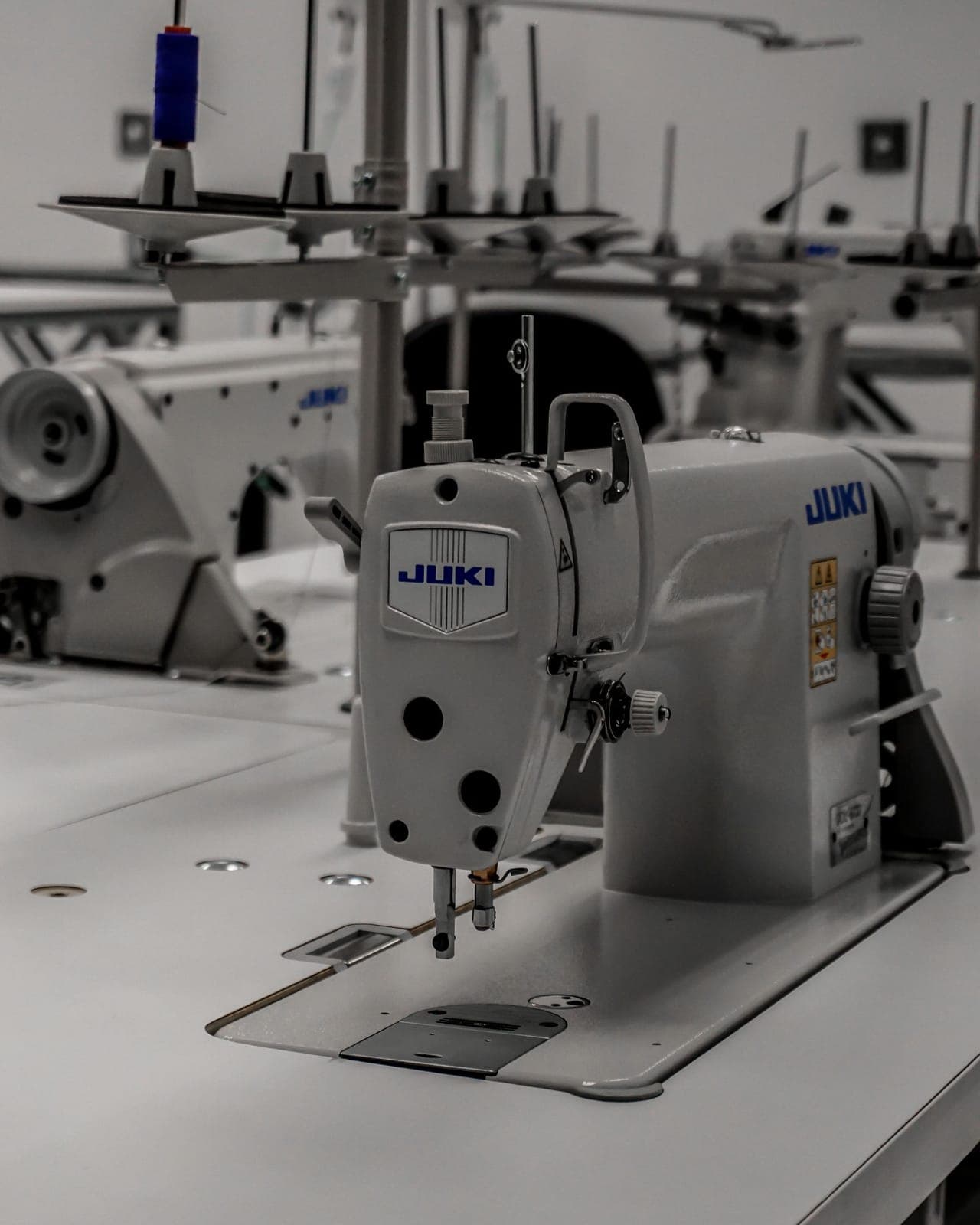
Industrial sewing machine on a clean production bench, set up for precision stitching

Stage 1

In-line

Checks that run while production is still on the floor, so findings can be corrected rather than sorted afterwards.

Stitching inspection

Seam construction and workmanship, checked while production is still running.

  • Straight, even seams
  • Stitch consistency and density
  • Skipped or broken stitches
  • Loose and untrimmed threads
  • Seam integrity and strength
  • Visible workmanship on exposed seams

Measurement checking

Key measurement points compared against the approved specification and agreed tolerances.

  • Chest and body width
  • Body and sleeve length
  • Shoulder and neck measurements
  • Rib, cuff and waistband dimensions
  • Consistency across the size set
  • Deviation against agreed tolerances

Fabric defect checking

Fabric assessed for faults that would carry through into the finished garment.

  • Holes, cuts and snags
  • Stains, oil marks and contamination
  • Knitting flaws and dropped stitches
  • Shade lines and barré
  • Uneven texture or pile
  • Foreign fibre contamination

Colour consistency

Shade checked against the approved reference, panel to panel and lot to lot.

  • Match against the approved shade or reference
  • Panel-to-panel consistency within a garment
  • Consistency across production lots
  • Rib and body shade matching
  • Coordinated pieces checked as a set

Trims

Every component that is not the main fabric, checked against the approved specification.

  • Zips: action, length, colour and puller
  • Buttons and snaps: fixing, strength and finish
  • Drawcords, tipping and eyelets
  • Elastic and rib recovery
  • Lining and interlining where specified
  • Product-specific components

Uniform & workwear details

The functional details a uniform or workwear programme is judged on, and which have to repeat across reorders.

  • Badge and logo placement
  • Pocket layout and function
  • Department or role colour coding
  • Reinforcement at stress points
  • Specified functional details
  • Consistency against the previous production run

Stage 2

End-of-line

Checks applied to the finished garment before it is packed, covering everything the customer will see first.

Labels & tags

Every applied label and tag verified against your brand and market requirements.

  • Size labels correct to the garment
  • Care and composition information
  • Brand and neck label placement
  • Hang tags and attachment
  • Buyer-required label details
  • Barcode and sticker accuracy

Finishing

The garment presented as your customer will first see it.

  • Loose and trimmed threads
  • Pressing and shape
  • Cleanliness and mark removal
  • Garment shape and symmetry
  • Overall presentation

Stage 3

Pre-shipment

Final confirmation of the order against the approved sample and your packing instructions before dispatch.

Packing & assortment

The order verified against your packing instructions before cartons are closed.

  • Size ratio and assortment
  • Colour breakdown and quantities
  • Polybag specification and sealing
  • Stickers and barcode placement
  • Carton markings and labelling
  • Packing instructions followed as agreed

Final pre-shipment review

A last confirmation of garment, packing and documentation before dispatch.

  • Garment quality against the approved sample
  • Packing completed to specification
  • Quantities and assortment confirmed
  • Required documents and approvals in place
  • Shipment prepared to agreed terms

Being straight with you

What quality control can and cannot promise

No manufacturer can honestly claim a zero-defect process, and we do not make that claim. What a quality process can do is find problems early, correct them while correction is still possible, and make sure what ships matches what was approved.

Where a finding cannot be corrected within your specification, we raise it with you rather than ship it and hope. That is the part of quality control that actually protects a brand.

Inspection requirements

If your programme requires a specific inspection standard, sampling plan or third-party inspection, tell us at enquiry so it can be built into the quotation and the production plan.

Tell Us Your Requirements

Quality checkpoints are applied according to the approved sample and the specification agreed for each order. Requirements that vary by product, market or buyer programme are confirmed at quotation.

Have a design or tech pack?

Send it to us for sampling, costing and development. Upload your files with your enquiry and we will come back with questions, options and indicative costing.

Send Your Tech Pack